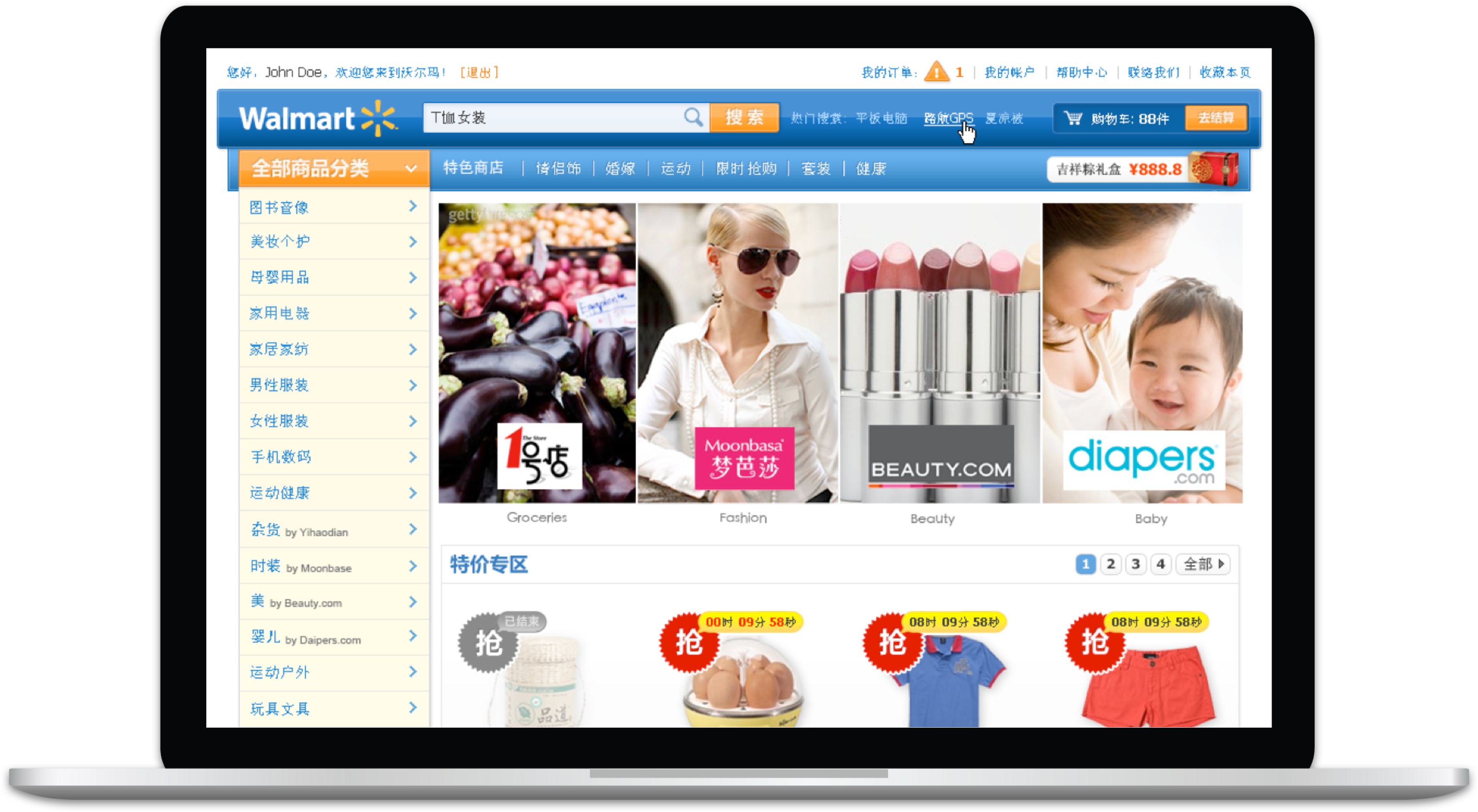
Overview
The Chinese online retail industry was experiencing a significant boom. Walmart saw this as a great opportunity to get in early and establish its strategic position, deciding to create an online presence in China’s 2nd and 3rd tier cities in less than a year. Our goal was to build a site that was on par or ahead of the local competition, one that quickly adjusted to the needs of the market, while leveraging the Walmart brand with consumers — we wanted our site to be the “go-to” for their daily needs. Our challenge was, how could we be seen as a leader in this space where other US companies have failed?
So what did we know? Nothing.
Before we could create a strategy, there were a few fundamental questions that we needed answers to. Why did the other companies fail? What was different about Chinese vs. American consumers? What kind of competitive advantage did the local companies have over us? Why were these local companies so successful and US companies not able to get any market share?
We did our homework, looked at various online sources, and talked to consulting agencies to understand the landscape.
We soon realized that most companies that came to China, came with a Western mentality. Most of them simply thought it would be easy to just stand up a copy of their main site in Mandarin. However, a lot of the local competitors had the manpower needed to quickly shift to meet market needs. A site could radically change overnight to outdo its competitor. China was also a copycat society; if a company changed the look of their site, within a week, 5 other sites would look very similar. Each Chinese e-commerce site had 1000+ developers on hand, which allowed them to quickly pivot their website within a week’s time. The other American companies, in contrast, didn’t have that labor pool, and as a result, weren’t as agile. We knew that we needed to find a more efficient solution, thru automation and algorithm.
Getting with the locals
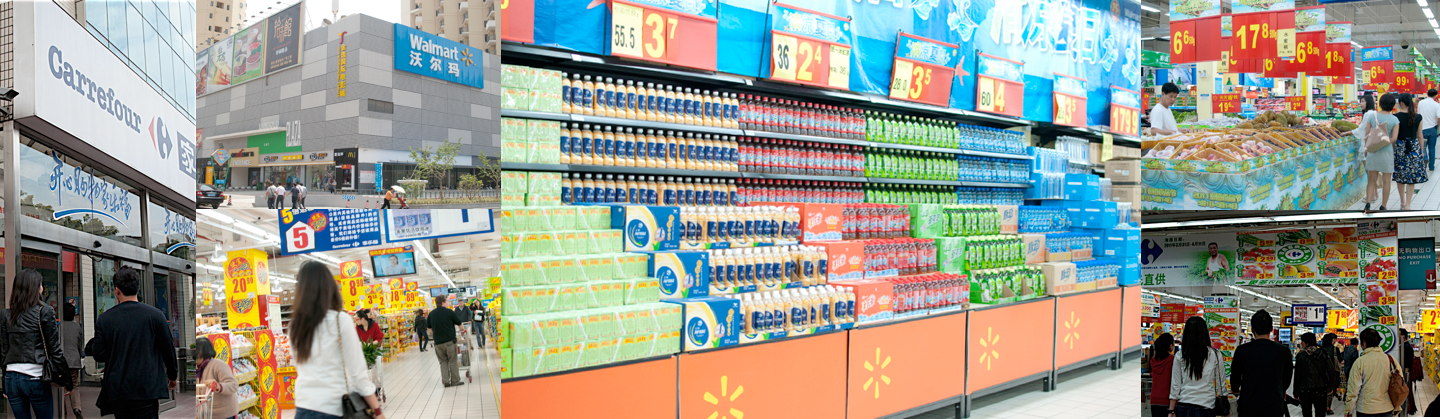
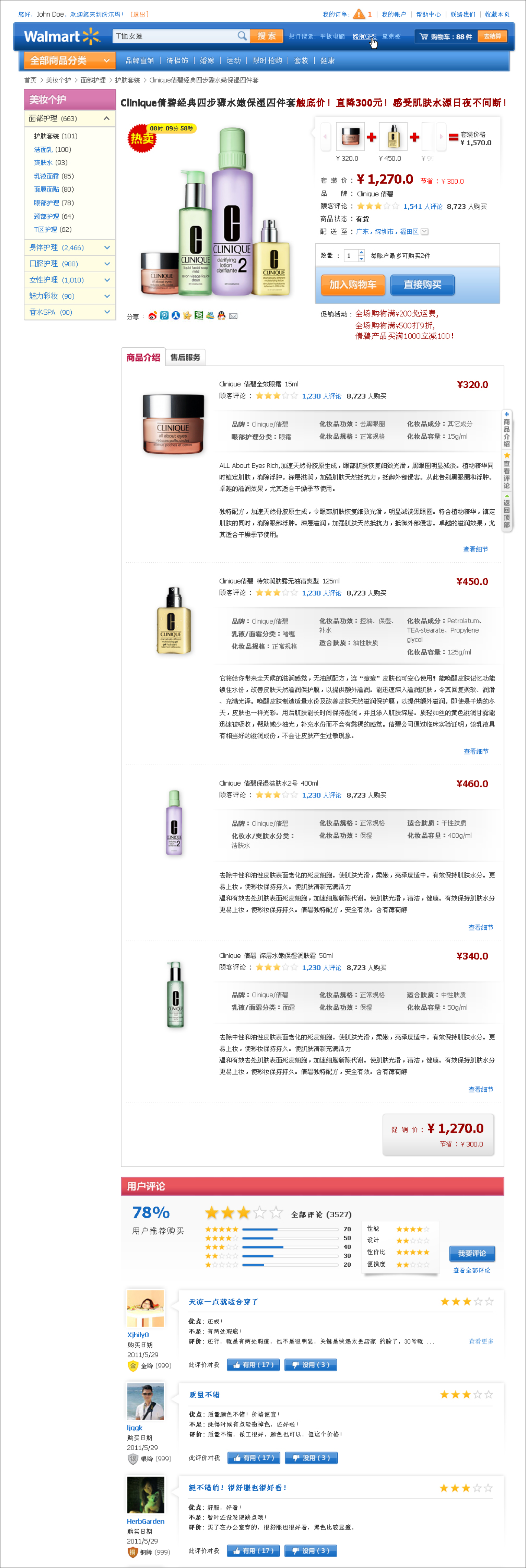
We decided we needed to immerse ourselves as much as we could if we were going to win in this space. We visited 2nd tier cities to see how the local Chinese lived. It was important that our PM and engineering partners participated in these local visits, in order to understand the experiences of the people we were trying to serve. What we noticed right away was that users are surrounded daily with an enormous amount of visual stimuli. They were used to seeing choices — lots of choices. So they expected the same in the online world.
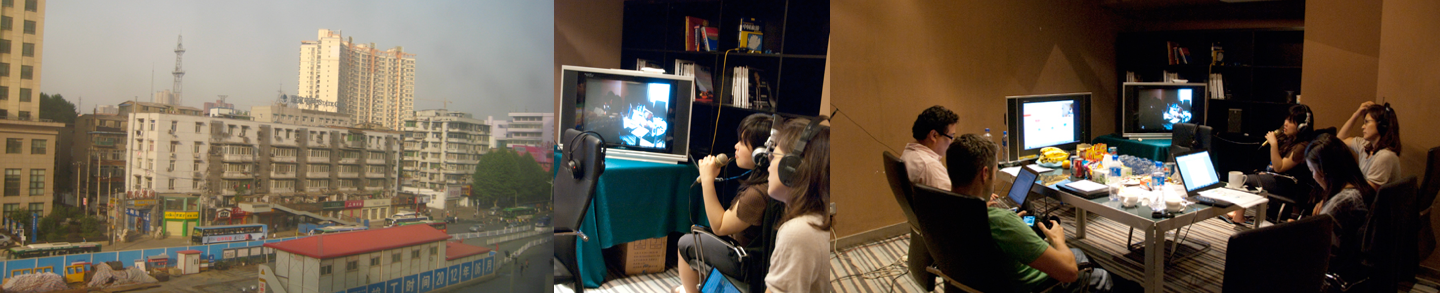
We ordered from competitors online to understand the logistics of an ever-changing city as well. New developments were always happening; streets were always changing, buildings that were there yesterday would not be there the following week. We quickly realized that we couldn’t do this alone, so we hired a local agency to help us in the user testing step of the process, understanding the above cultural nuances and also the mindset of the Chinese consumer.
Digging deeper
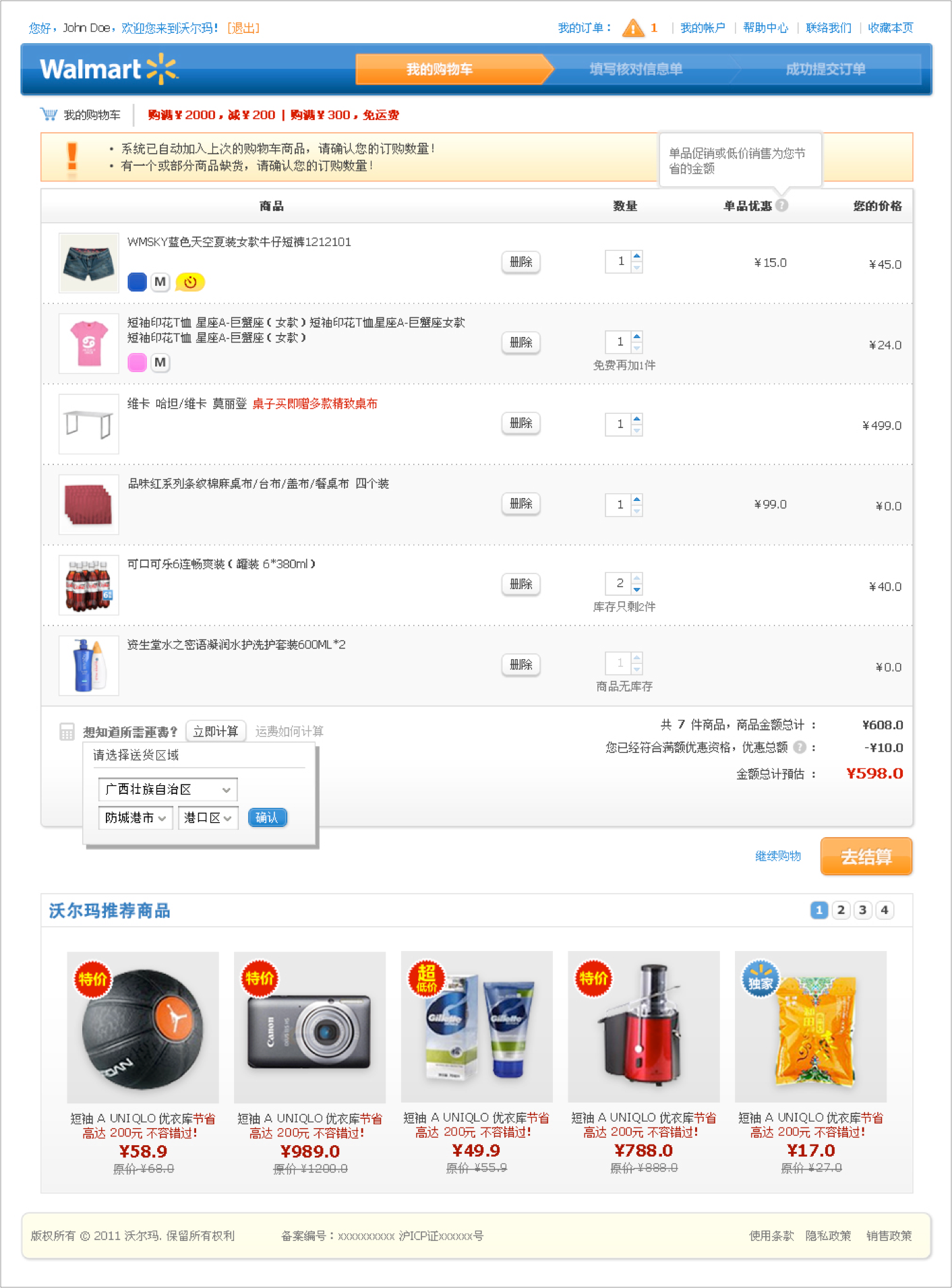
We found out from our user testing that, unlike American consumers, Chineses consumers reacted more positively when provided with more choices. For our test groups, finding the best deal was the key to being a better shopper. They want to feel proud that they got a better deal than anyone else, hence why deals are so important. Stacking deals is a big thing.
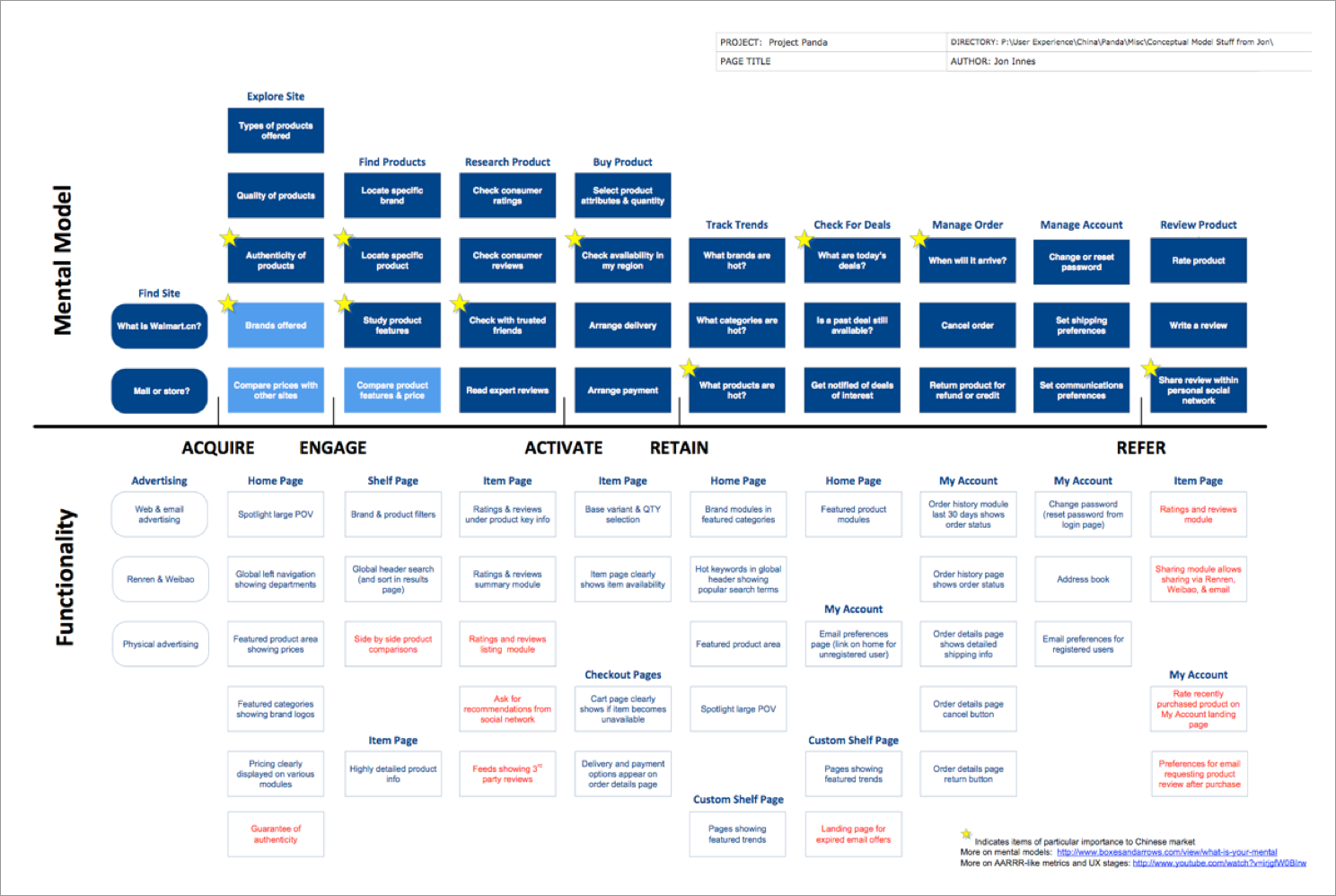
From our rounds of research, we were able to put together Personas and how the user’s different stages of their life change their persona. We also mapped the mental model to better understand their thought process in the flow.

We needed a process
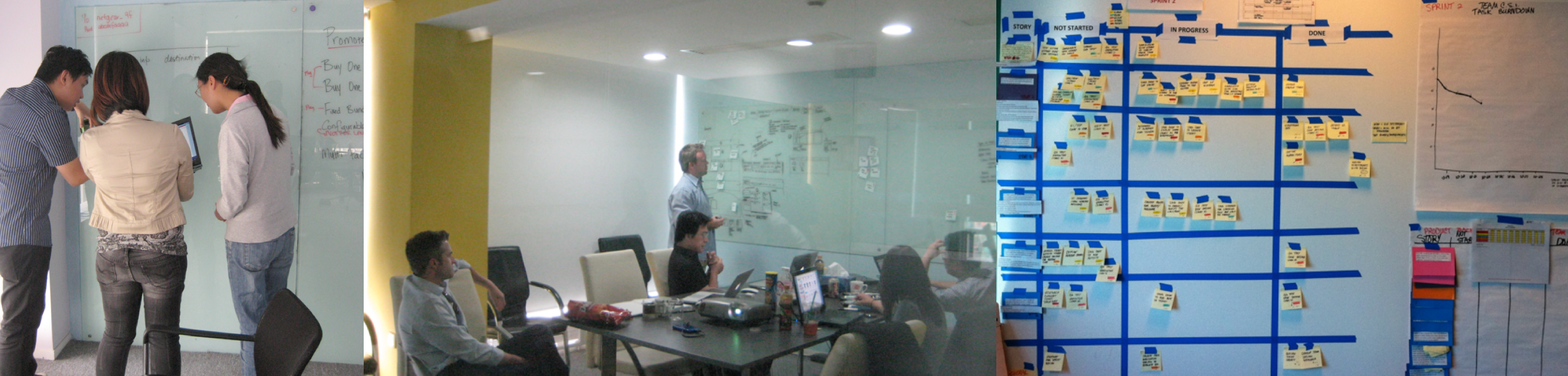
Because we were on a tight deadline, we needed a predictable and repeatable process of Research, Ideate, Design, and Execution. It was important to have a cadence established in order to secure travel, schedule user testing, coordinate working sessions, and deliver on time. An Iterative Design Framework was put into place along with a detailed calendar of established milestones to help us to reach our goal. It was key that the team and our executive management were on the same page regarding how things were developing.
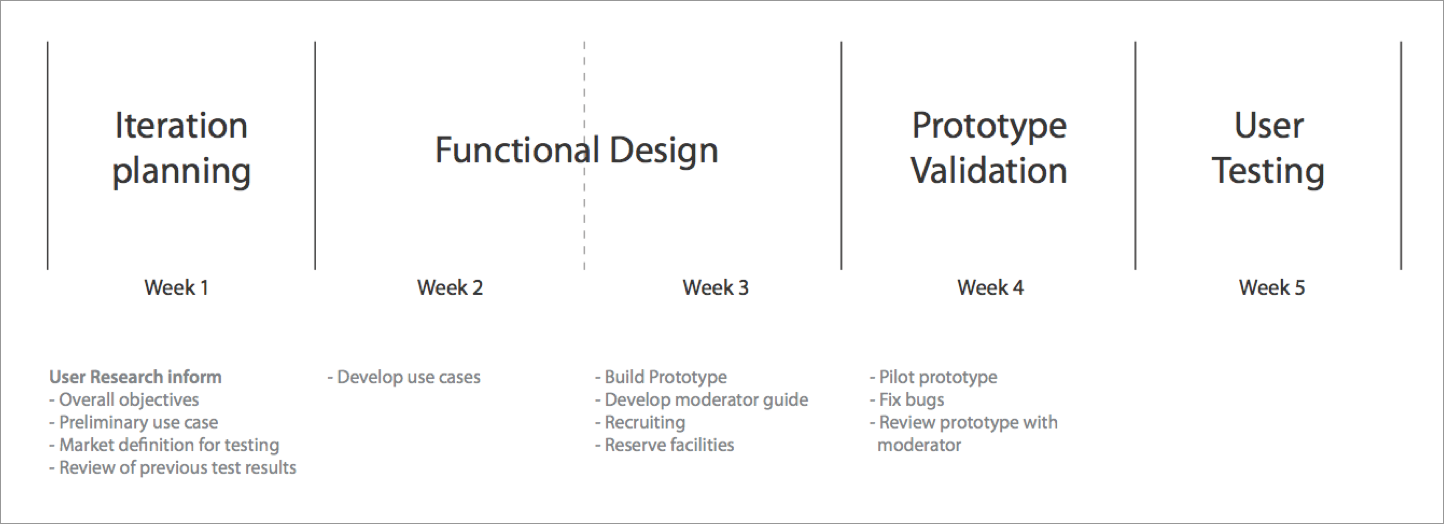
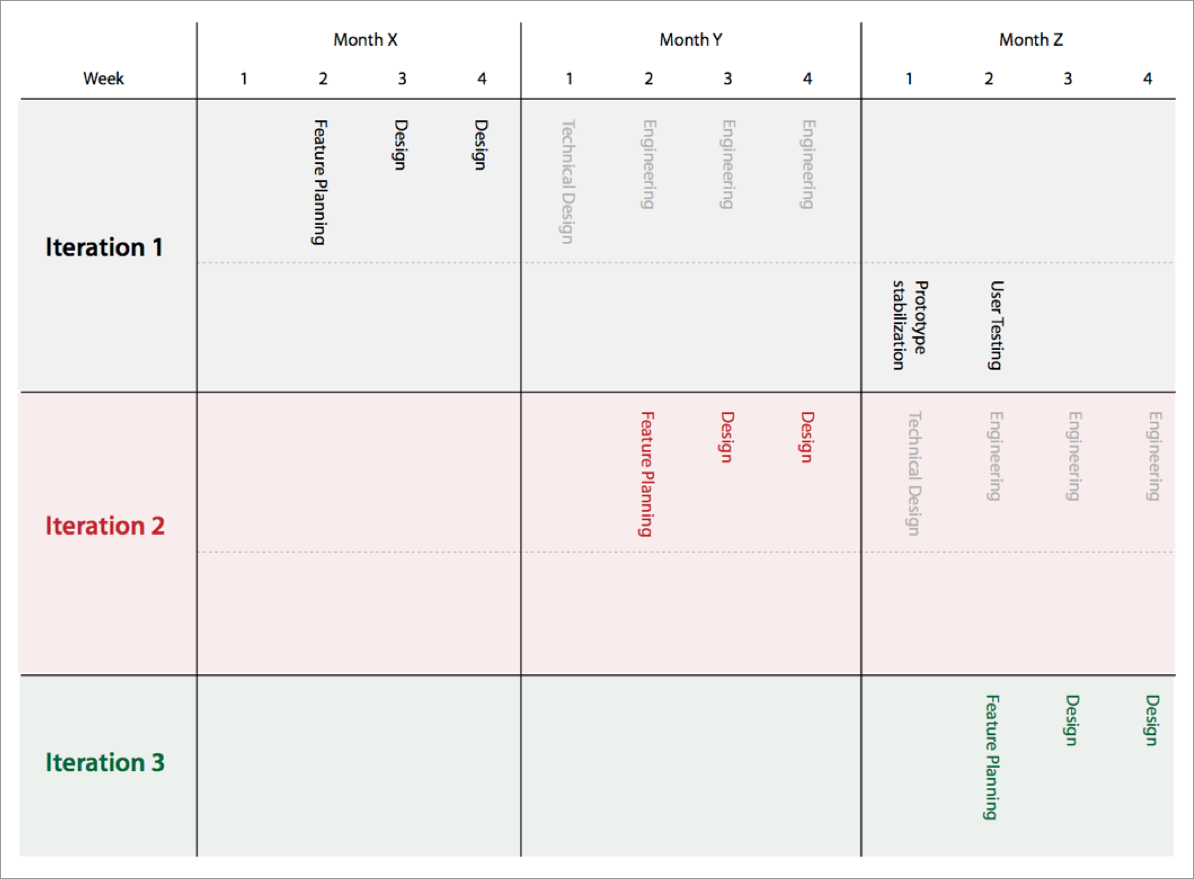
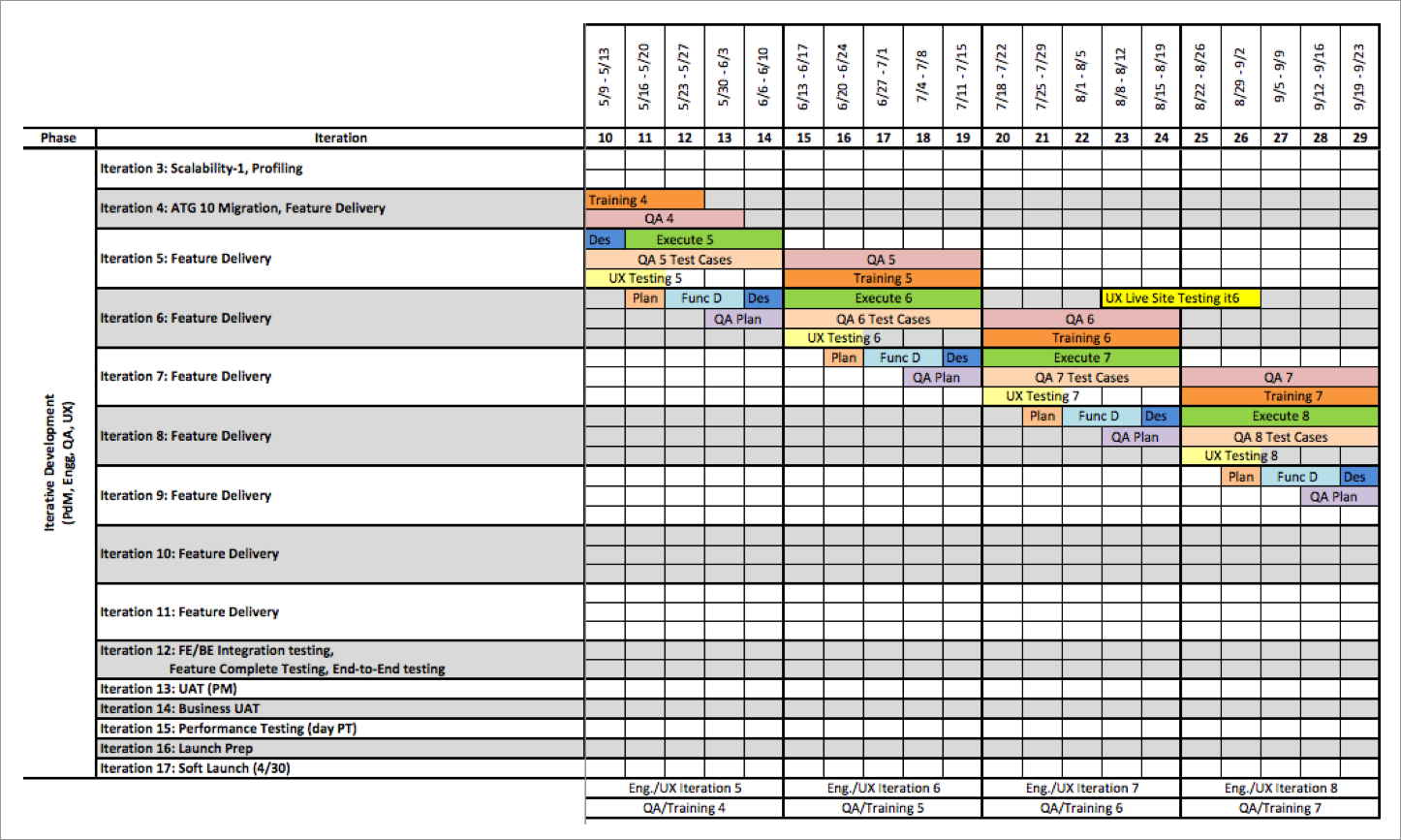
Designs were tested with users in various cities, followed by a week-long working design session with our local agency to ensure we understood the findings and how to best act upon them. Designs were refined and tested again if needed.

Knowledge is power
Some key ah-ha moments from user testing.
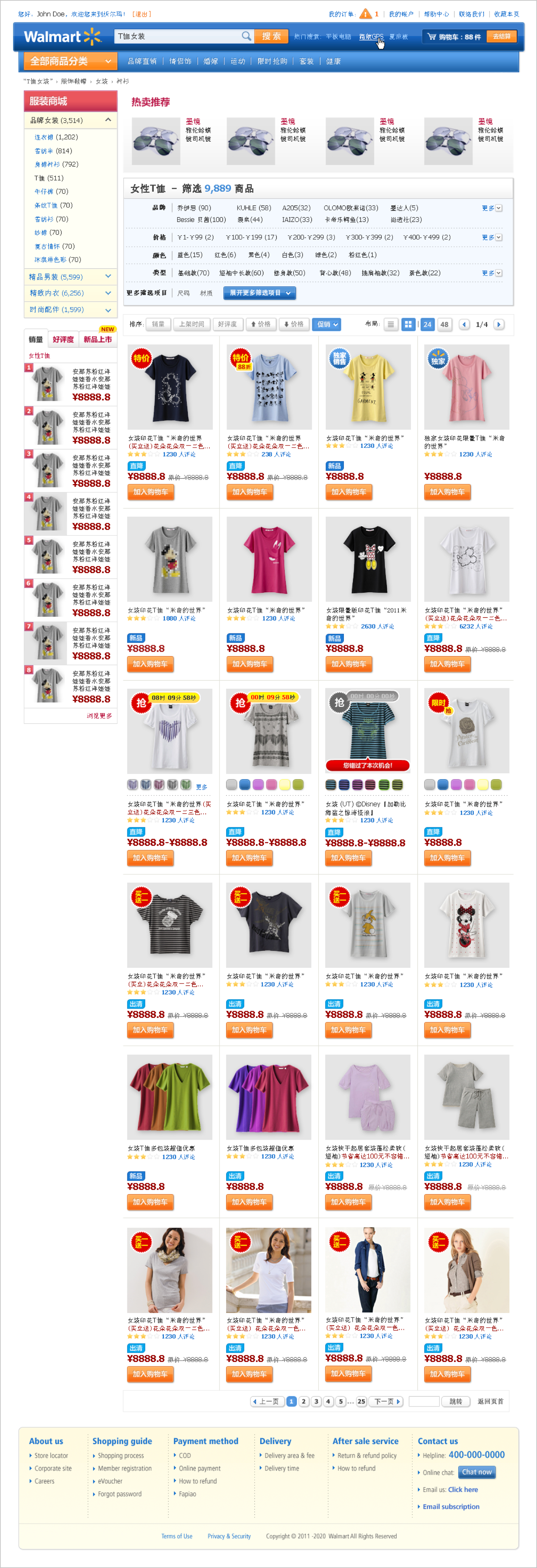
Help me narrow my choices – Traditionally Search filters are on the left but in China, they were on top. We realized that in China, there are a lot of product offerings out there and users are bombarded daily with choices, so in order to navigate through the noise, they prefer to quickly narrow down to a specific category before browsing.

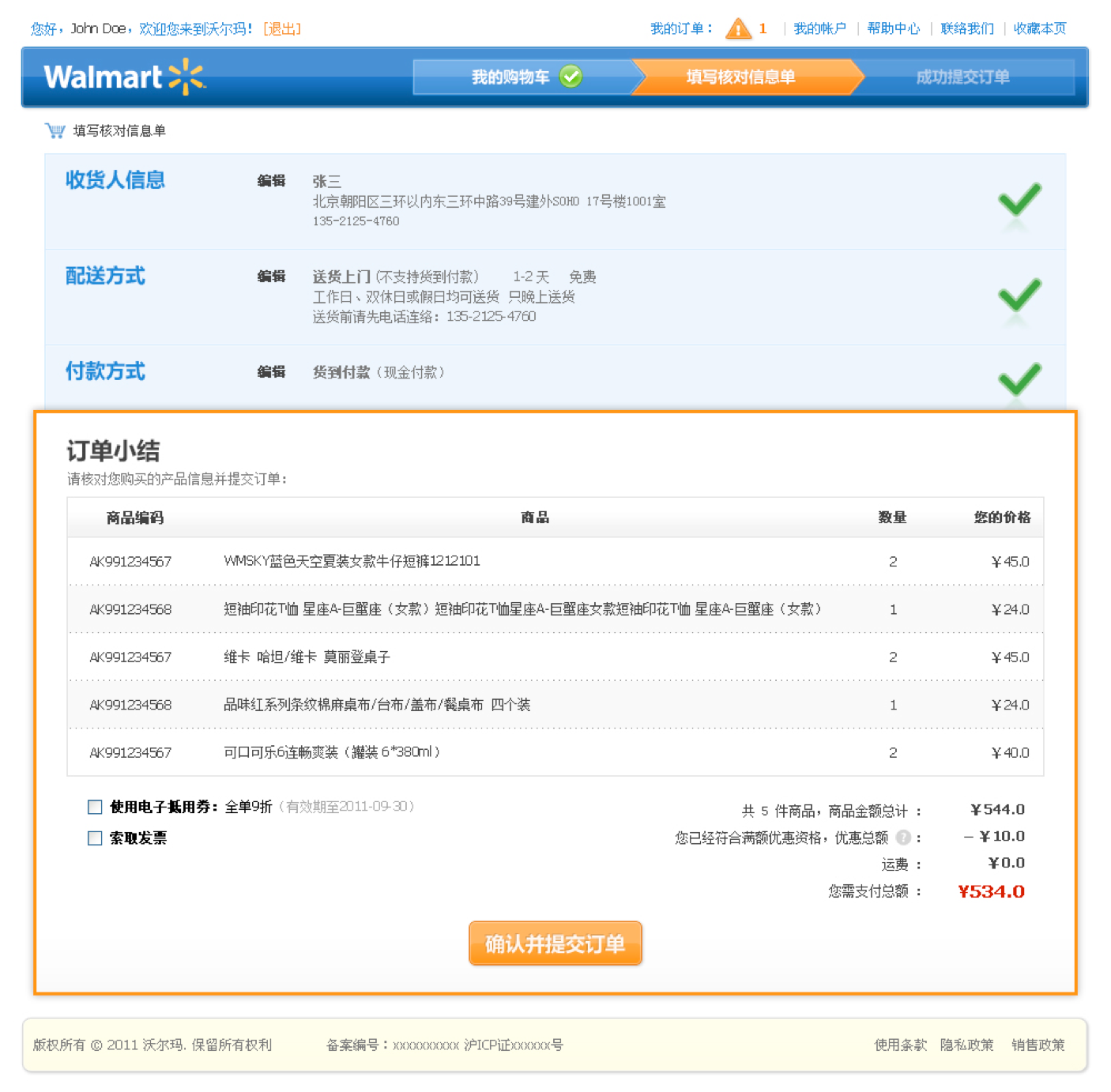
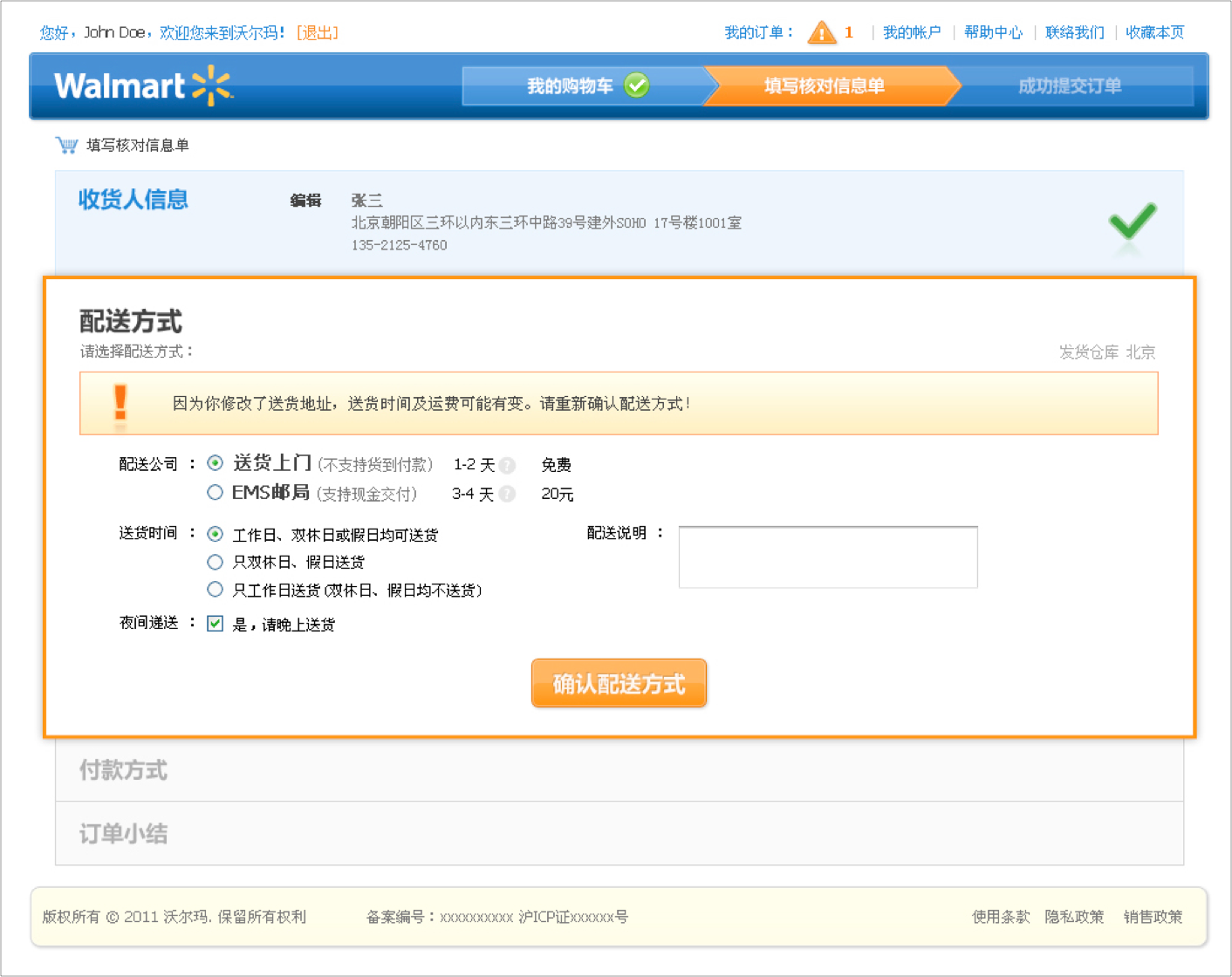
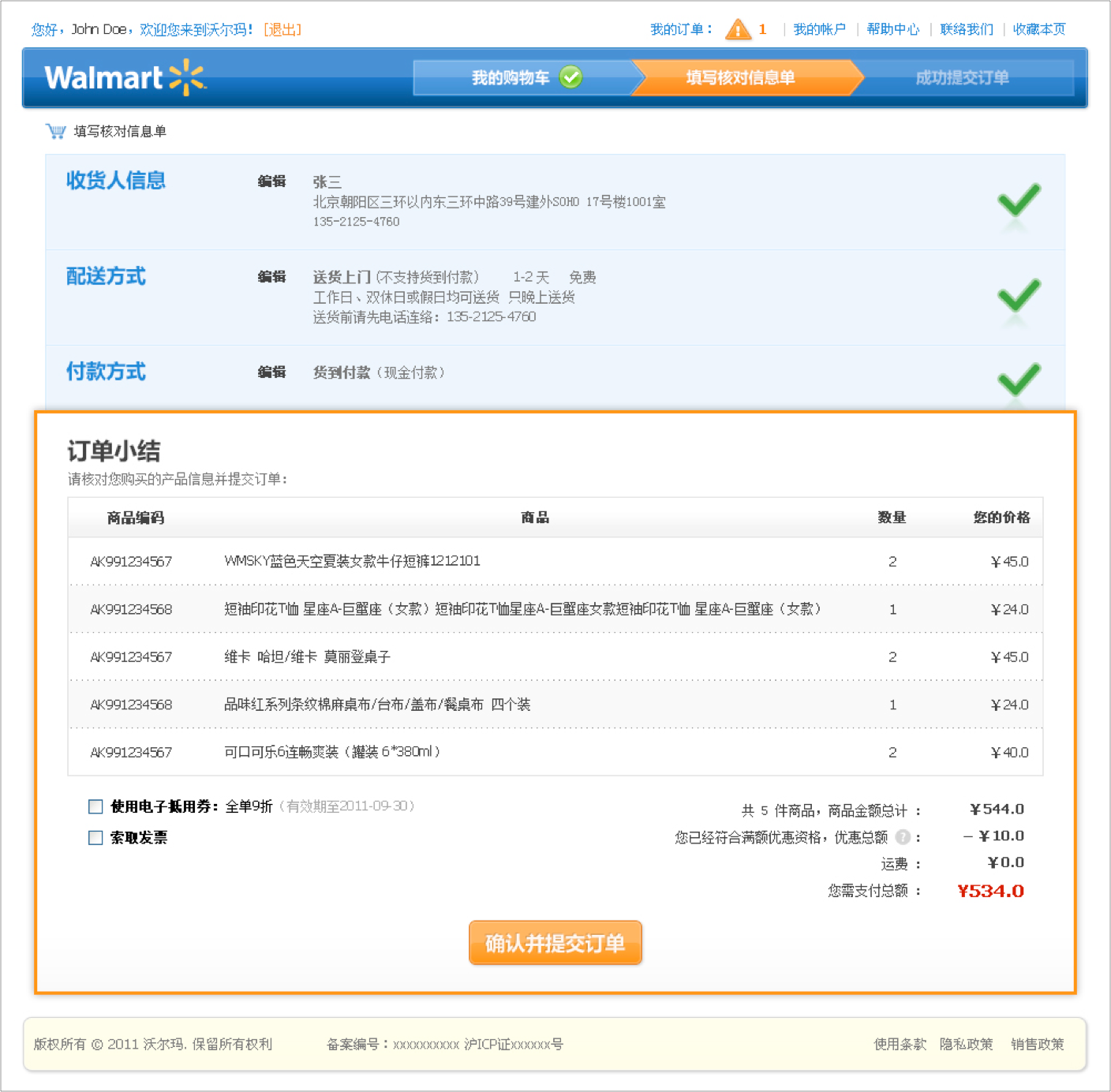
Trust is a pretty big deal – In China there is a lot of fraud, from scams to fake products to identity theft. Users are skeptical of giving information to any website. Our checkout process was an area we wanted to make sure our customers felt safe. We tested two variations — a one-page vs. multi-page checkout. We discovered that the user became unsure what happened to their information when they went page to page. Because of this, we decided to use a single page checkout to confirm with the user that their information was not being lost. Users could easily move backward or forwards to sections without the fear or sense of data being transferred from page to page.
Designing a system
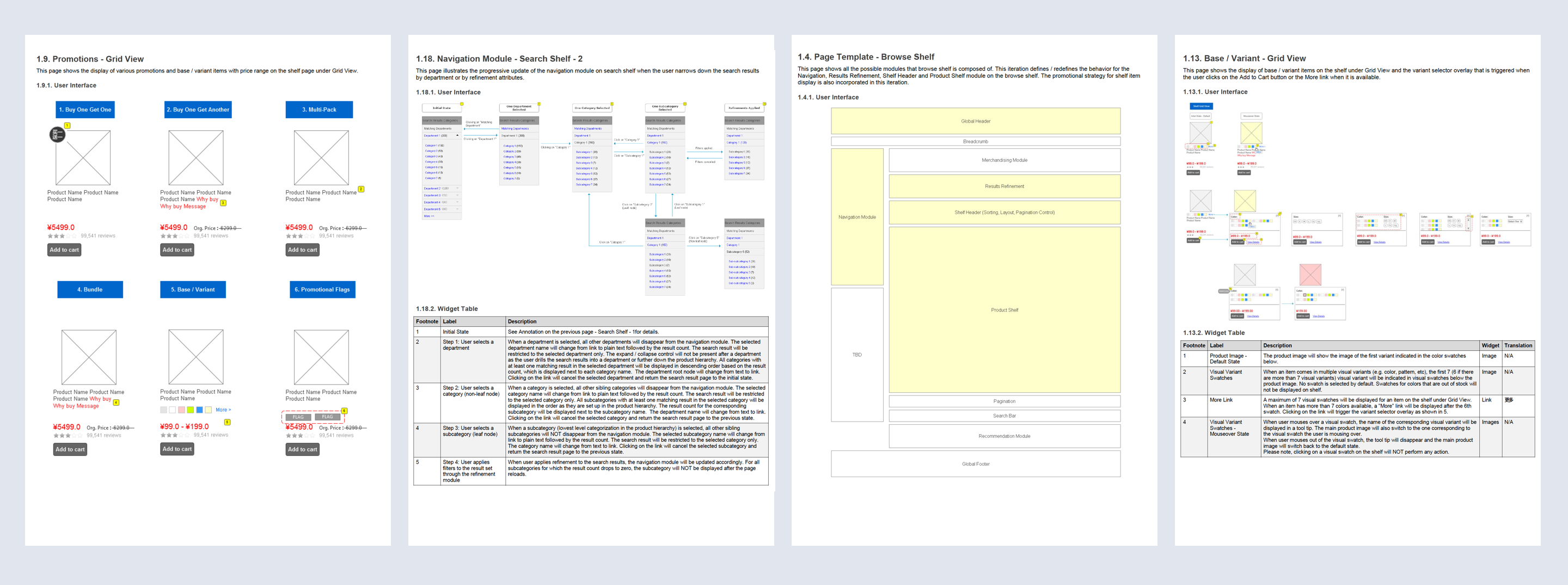
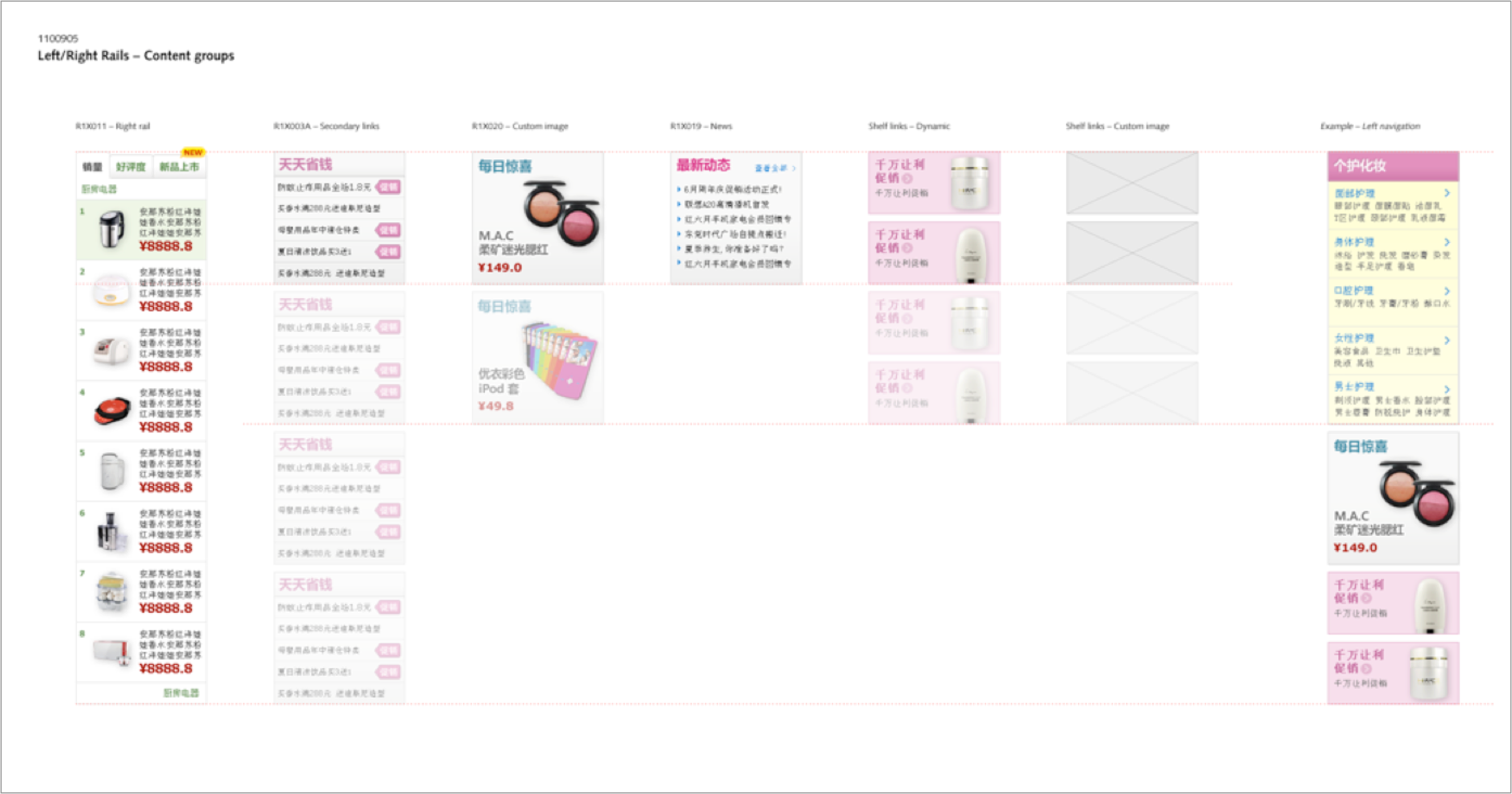
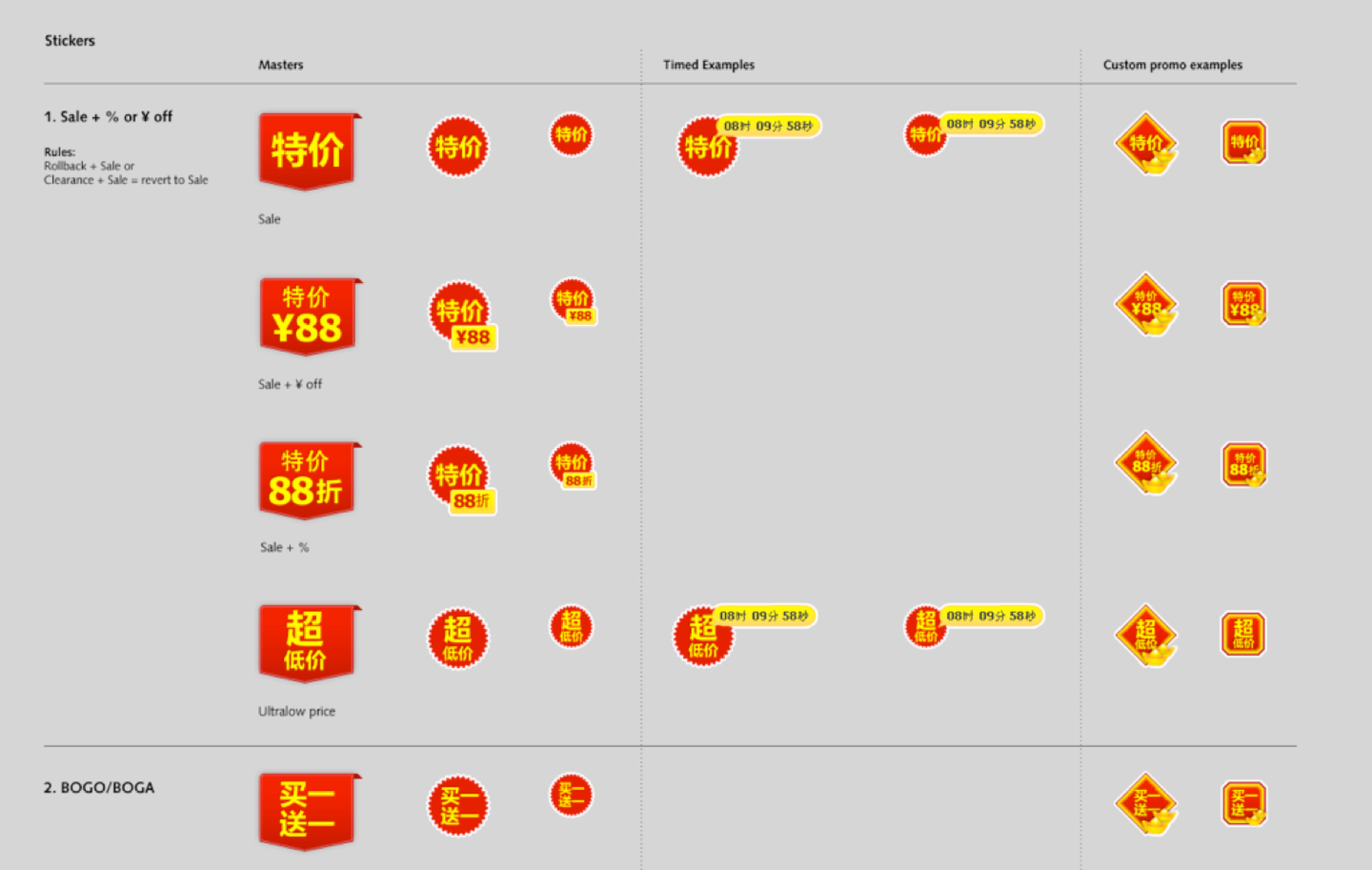
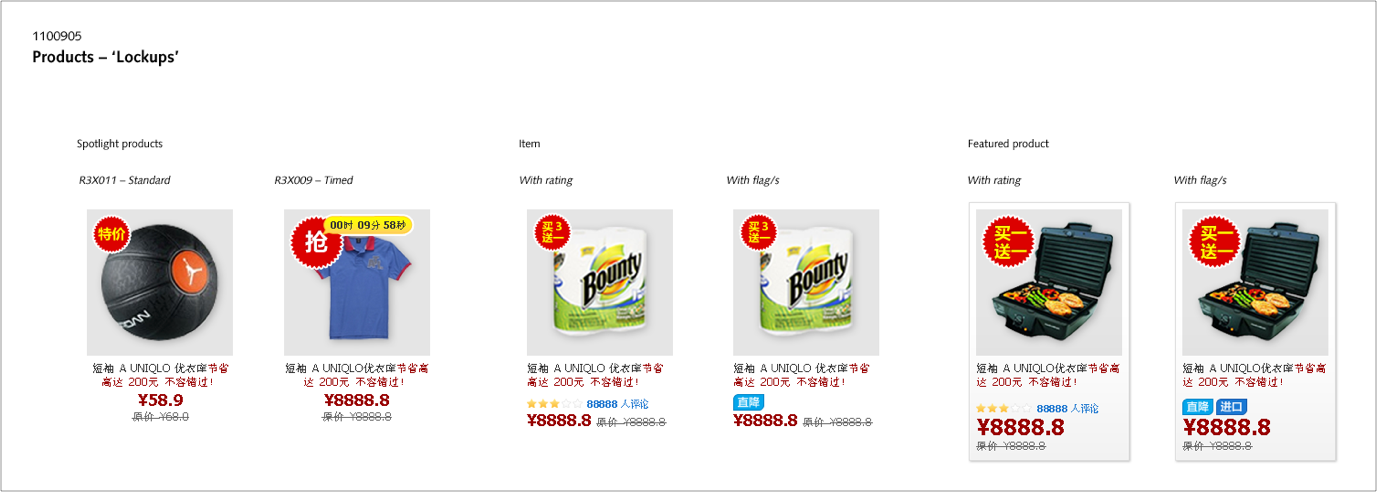
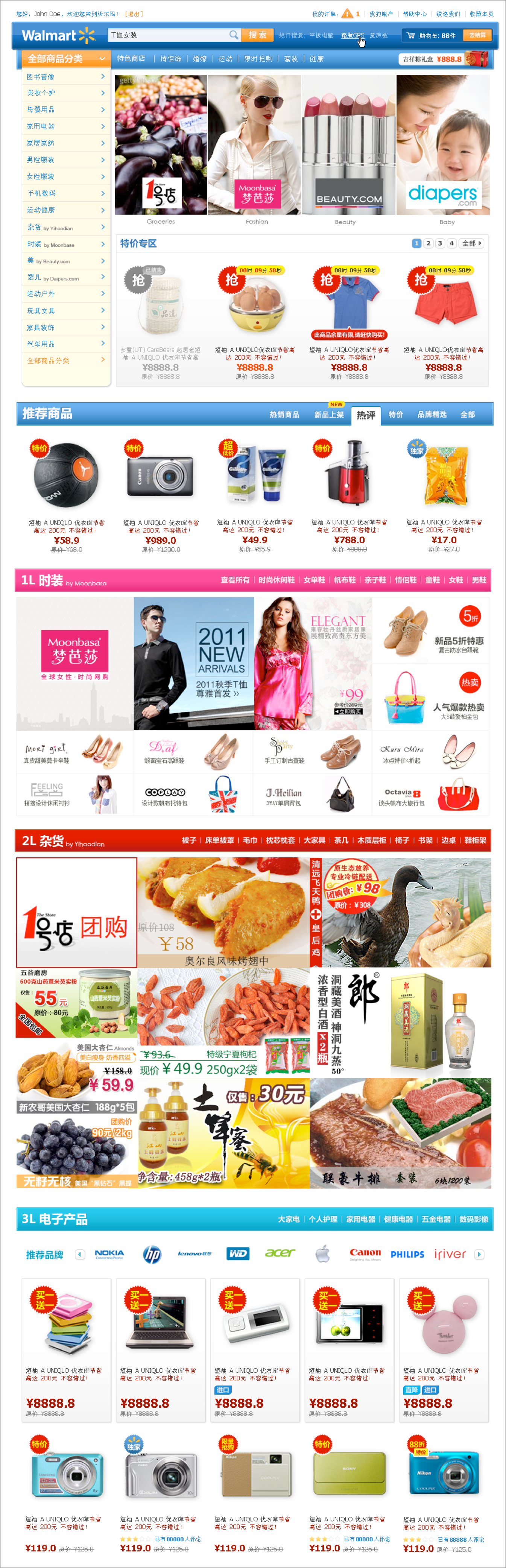
We established a design system that could scale through automation. We designed components that could dynamically adjust and provide various display configurations and created various templates for marketing and promotional events that could be quickly adapted to meet marketing needs.
We’re done now… kind of
Six months into the project, the team was disbanded, as Walmart had decided that it wanted to go in a different direction. Instead of building their own e-commerce site, they decided to buy Yihodian, a local competitor. Even though the site was never launched to the public, we learned a lot of great things and was even able to influence how the US site was configured. Understanding the mindset of our customers was vital to our success; it allowed us to see the site through our users’ eyes and within the context of their backgrounds. One instance stands out in my mind — Walmart in the US does not have time-bound sales or deals, it’s about “every day low prices”. As mentioned in our research above, finding and stacking deals were important to our Chinese users; it was about being smart and getting the best deal possible. So the team had to make a case for Walmart Arkansas executives to embrace the concept of having special sales. We were successful in making the case and allowed us to be even more competitive in the US market.

 ux54
ux54 
You must be logged in to post a comment.